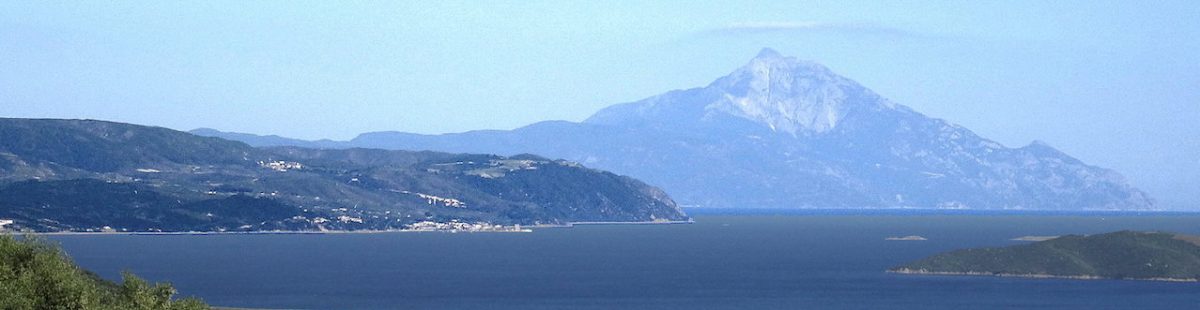
An eminent researcher of Greek philosophy: Minister of Foreign Affairs of Montenegro Dr. Filip Ivanović, in an exclusive interview with Hellas Journal, during his first official visit to Athens (March 11-12, 2024)

Minister of Foreign Affairs of Montenegro Dr. Filip Ivanović, gave an exclusive interview to Hellas Journal and Panagiotis Pavlos, during his first official visit to Athens. Photo by Hellas Journal

During his first official visit to Athens, on March 11 and 12, the new Minister of Foreign Affairs of Montenegro, Dr. Filip Ivanović, offered an exclusive interview to Hellas Journal.

The head of diplomacy of the next candidate for accession to the European Union Balkan country and member state of NATO, had an extensive and cordial conversation with the correspondent of Hellas Journal in Oslo, and his old friend, Panagiotis Pavlos.

In the detailed discussion he had with him, Minister Ivanović pointed out the fervent support the Greek Government and his counterpart Mr. Georgios Gerapetritis provide to the top priority of Montenegro’s foreign policy, its accession to the EU. He referred to the recent Forum of Foreign Ministers in Antalya, Turkey, and his meeting with the Turkish Minister of Foreign Affairs Mr. Fidan, while at the same time he called on Greece to strengthen its presence in the Balkan peninsula in various ways.

Dr. Ivanović made an impressive exhortation to young Greeks to be proud of their unique heritage. The fervor with which he speaks about Hellenism, Greek civilization, art and culture, and the Greek spirit in general, is evident as he reveals his personal relationship with Greece and Athens, being himself an eminent researcher of Greek philosophy with a large internationally recognized philosophical work and a unique contribution to the spread of Greek Paideia in his country.

Montenegro’s MFA emphasized the role that Balkan states such as Montenegro expect Greece to play in the region as the cradle of democracy and culture and as a guarantor of European unity and integration. He did not fail to expand on the possibilities and strategies for further deepening bilateral relations between Montenegro and Greece in several areas of cooperation, inter alia, the education of university students and Armed Forces executives, research exchange, cultural and scientific diplomacy, opportunities in the investment sector.

Finally, he pointed out the urgent need for a dynamic return of international diplomacy at a time of major disturbances in the international scene, at the center of which is the war in Ukraine and Gaza.

Hellas JournalYour Excellency, MFA of Montenegro Dr. Ivanović, dear Filip! It is such a pleasure to have you here, in your first official visit to Athens after assuming your duties as Minister of Foreign Affairs of Montenegro. We hope that you had a fruitful visit with productive meetings and communications with the Greek Government.

MFA Ivanović: I must say that I am very happy to be here in Athens. It is, as you have said, my first official visit to Greece since I became Minister of Foreign Affairs of Montenegro. I am very pleased by the hospitality and the wholehearted greetings that I received here in Athens. On the first day of my visit, I spoke with the vice-president of the Parliament, as well as with the Minister of Foreign Affairs of the Hellenic Republic. I also used this opportunity to laid wreath in the tomb of Vasos Mavrovouniotis, as the Greeks know him, or Vaso Brajović, as the Montenegrins know him. He was a very prominent military figure of the 19th century in Greece, who was of Montenegrian origin, so it is just one of the very important historical figures that tie our two countries and our two peoples.

I am very happy with the meetings I had today, I have received quite a friendly welcome by all the officials. What is very important is the willingness of Greece to deepen the friendly and good relations that Montenegro and Greece have. Equally of great importance is that Greece fully supports the primary foreign priority goal of Montenegro, which is to become the first next member of the European Union. I was reassured by my interlocutors today that Greece is going to give its full support, both political and technical, to this goal.

HJ: How do you evaluate the attitude, the disposition of the Greek government towards a Minister of Foreign Affairs of a Balkan state country? In the sense that, you come here, you meet with the Government and at the same time, while you expectedly have certain topics and issues in the agenda, you offer them insights of how the Balkan states look upon Greece, and perhaps of what they expect from her. Was that a dimension in your discussions?

MFA Ivanović: Well, what I have said to my friends and interlocutors today, is that when it comes to chief Foreign Policy Goal, not just of Montenegro but also of other Balkan states which are joining the European Union, is to remind the pivotal role of Greece in this process that was marked by the 2003 Thessaloniki Summit, where there was promise for EU enlargement, especially for the countries of Balkans. Now we are twenty-one years later. So, this promise still needs to be fulfilled. I also conveyed to my interlocutors here in Athens that I expect Greece to take the leading role again, and to be a very vocal advocate of enlargement of the EU to all the other countries, but especially to those countries that are in the South-East European region. Greece has historical ties not just to Montenegro but also to other countries of this region. Greece knows very well what the advantages and, sometimes, the problems of the region are, and I believe Greece can be the best promoter of the European integration of the region. It will be extremely useful, I would say, for Greece’s foreign policy, for Montenegro’s foreign policy, for the region, but also for the EU.

HJ: You have assumed your duties as Minister of Foreign Affairs of Montenegro almost four months ago, yet in a period of unprecedented turbulences, both on the large picture but also regionally, such as the case is, for instance, with Ukraine and the Middle East; we are really experiencing tough times. So how does this geopolitical theater challenge countries such as Montenegro, which although not in the size of, say, Germany or France, yet demonstrate an increasing degree of integration in the Western institutions and certainly, they move to fully participate in the EU and, broadly, the international arena?

MFA Ivanović: As you know, Montenegro has been a NATO member for seven years. It is also the front-runner in the EU integration process. We believe that we can complete the process of negotiations within the next few years, and become, as I have said, the first next member of the EU. Indeed, the geopolitical situation is not very easy. We are facing crises in different parts of the world that are very difficult, that are challenging the very existence and concept of diplomacy and international order; and Montenegro has maintained a very clear position. This position is to uphold the international peace and stability and the respect for international law. In this regard, we have fully supported the territorial integrity and sovereignty of Ukraine; we have been, and we will continue to be fully aligned with the Common Foreign and Security Policy of the EU, including sanctions against Russia in this conflict with Ukraine.

Of course, we must not forget the crisis in Gaza that has been unraveling before our eyes in the past few months. Here as well, Montenegro has kept a very balanced and principled position – it has condemned in strongest possible terms the terrorist attack of the 7th of October by Hamas; but it has also called constantly Israel to keep its response and its right to defend against terrorism within the boundaries of the International Law and the International Humanitarian Law. What we are advocating now is at least a humanitarian pause that would lead to complete ceasefire. We also believe that the two states solution is the best one for this conflict, that both Israel and Palestine have the right to have their own sovereign states living next to each other and that both need to be guaranteed safety. In our view, this is the only permanent solution of this crisis. This is what we are advocating in all multinational and multilateral fora.

On the other hand, the crisis and the Russian aggression in Ukraine has opened a new way of thinking in the EU. As you know, the process of enlargement of the EU has been quite technical in the past years, if not decade, and now it is crystal clear that the safety and prosperity of the European continent can be best achieved through its unity; and its unity can be best achieved through the membership in the EU. Therefore, I would say that now the way of thinking has changed; the process of enlargement is now perhaps more political, or, at least, in the same degree political as well as technical. Without doubt, Montenegro is on the way to use this window opportunity and, as I said, finish the whole process on its part by the end of the mandate of this government and become the first next member of the EU.

HJ: Recently, you participated in a rather big event, the Antalya Forum of Diplomacy that was organized and hosted by the Turkish minister of Foreign Affairs. There you had the chance to meet and discuss with your colleagues from many other countries but also with the host, the MFA of Turkey, Hakan Fidan. As you probably are aware, Greece has since December in 2023 embarked on a rapprochement process with Turke. This was sealed by the Declaration of Athens, in the beginning of last December, despite fundamental challenges and problems in the bilateral relations of the two countries, chiefly due to the revisionist character of Greece’s neighbour. Could you briefly tell us what did you get out of that meeting? And, if I may push a bit the question further: How does Montenegro regard Turkey’s role in the Balkans?

MFA Ivanović: Indeed, I participated in the Antalya Diplomacy Forum, and I must say it was a very big event and well organized. There I had the opportunity to meet with several colleagues, especially with those ones that us from Balkans, or from Europe, do not get a chance to meet very frequently. I mean mainly our colleagues and friends from Asia, Africa and Latin America. It was very interesting and useful to meet with a diverse group of politicians and colleagues and see where we can work together and improve our relations. I also met, as you have said, with the Türkiye’s Foreign Affairs Minister Fidan, it was our second meeting in the past couple of months. This meeting was very cordial, and I thanked him for the invitation and the organization of the forum, while we discussed certain issues of bilateral cooperation between Montenegro and the Turkish country. I must state that the relations between our two countries are good, and they are marked by good connectivity, by a number of Turkish investments in Montenegro, and by, I would say, very live political dialogue.

I am very aware and understand the relationship between Greece and Türkiye, and I can only say that where there are challenges and problems that is where diplomacy needs to step in. I would welcome and greet all the efforts between the two countries that have as their goal and as their result easing of the relationship between them and bettering the relations between the countries and between the peoples, based of course on mutual respect and respect of each other’s sovereignty. On the other hand, Montenegro and Türkiye and Greece, all three of them, are NATO allies. Greece is member of the EU, we are, as I said, frontrunner in the process of EU integration. Türkiye is also a candidate country for the EU, so I am sure that, as in all kinds of relationships there are things that perhaps separate us and things that we look at differently, so are also things that bind us and can bring us closer. Therefore, it would be very useful to work on those things that bring countries and peoples closer.

Türkiye is a very active actor in the Balkan region, not just in Montenegro, but also in other countries. I welcome its activity and its role in the Balkans. But I also very much welcome a more active role of Greece in the region. This is yet another thing that I conveyed to my interlocutors, that we are looking forward to a more active role and more visible presence of Greece in the region. Not only in terms of European integration, i.e., Greece’s support of EU integration, but also in terms of bilateral cooperation between Greece and the countries of Balkans.

HJ: Speaking of the relation between Montenegro and Greece in the perspective of joining common institutions such as the EU, one could remark that in the common consciousness of most of the Greek people, in the common perception at least of those who have a certain age, Montenegro is associated at large with the Serbian nation and people. How valid is this perception today? How would onemost accurately identify the modern state of Montenegro, the foreign policy of which you are leading, and what are Montenegro’s and its people’s aspirations today?

MFA Ivanović: During the history the destinies of individuals, of peoples and countries, have been very much intertwined. Many of today’s countries in the Balkans, including Montenegro and Serbia, have shared the same historical destiny throughout different eras. As you know, Montenegro and Serbia formed a state union that lived for almost ninety years, and of course, it is very natural that there are historical, cultural, and even familial ties between them. A third of the population in Montenegro considers itself to be Serbs. We have some forty five percent of people who identify themselves as Montenegrins, and we also have Bosniak, Albanian and Croatian population in Montenegro. But what is very important is that Montenegro is constitutionally defined as a secular and civic state, a state of citizens, not state of nations or ethnicities, and Montenegro is a country in which every individual citizen has the right to cherish and profess his or her own identity without bearing any kind of negative consequences, or repercussions. When it comes to the foreign policy, what is also very important now is that eighty percent of Montenegrin citizens – and that means Montenegrin citizens of all ethnicities and of all religions – are very pro-European and would like to see Montenegro as the next member of the EU. So, what we are doing is that we are pursuing a foreign policy that is a foreign policy of Montenegro as a unified civic country and that can be for the benefit of every single citizen regardless of his ethnicity, religion, or any other aspect of identity.

HJ: I would like to come now to a more personal level, since we also have a friendship that goes quite back in time and even a colleague relation connecting us in the field of philosophy. It is certain that much of the Greek people have no idea that you, the Minister of Foreign Affairs of Montenegro, are not only a great friend of Greece in theory, a real philhellene, but also – and I wouldn’t fear to name it so – in praxis, both as a prolific scholar of ancient Greek and late antique philosophy, and one of the eminent experts in the study of Dionysius the Areopagite and its legacy. Please, could you tell us a bit about your relationship with Greece, its beginnings and how it evolved?

MFA Ivanović: Thank you for your question! It is always good to get back to my academic and scholarly origins. Indeed, by education I have a PhD in Philosophy and Religious Studies, and my field of expertise is Ancient Greek and Late Antique philosophy, as well as Byzantine philosophy. These are the topics and areas of philosophy that I was very much interested in since the very beginning of my studies in philosophy. Of course, the interest in those areas have naturally brought me to appreciate and to investigate even more Greek history, culture, and civilization. During my academic carrier I have had an opportunity and chance to visit many places in Greece; not just to visit but also to stay in Athens twice for a longer period, and to get to know the Greek people, the Athenian life. It is a very vibrant culture and society, and I must say that this very deep personal relationship to Greece that I have, would be best defined by one word. That word is ‘love’.

HJ: That’s fantastic! And, since love is the key word here, what would be the message that you would convey to the newer generation of Greeks today that, one could say, might not fully grasp the significance of Hellenism, and the awareness about it and the Greek spirit in general? What would be the advice both of a scholar who has spent years in studying Greek culture, philosophy and literature, and of a friend of Greece who is the Head of the Foreign Policy of a state of the Balkans that aspires to the contributions of Hellenism in the region?

MFA Ivanović: If I say that Greece and Greek culture is the cradle of the western civilization, I wouldn’t say anything new. But sometimes even the known and old things need to be repeated, in order to be remembered. If there are so many people outside Greece, not just in Europe but in other continents as well, in the Americas, Asia, Africa, that admire and love Greek history, civilization, culture, philosophy, art and so on, then people in Greece, especially the young generations should be very proud of their inheritance. This inheritance is not just about ancient Greek culture and civilization; it is not just about the Byzantine culture and civilization. It is also about modern Greece. It is about struggle for Freedom, for Liberty, for the values of Democracy, and this is something that should be cherished by every Greek young person. This is something they should be proud of and, as I said, if people outside of Greece are proud of it, then people within Greece should be even more proud of the legacy of their ancestors.

HJ: Coming now to something that perhaps few people know: we often speak of institutes, of friends’ culture, of Chinese culture – there are many hundreds of ‘Confucius’ Institutes all over the world – and one would expect Greece to have its own chain of cultural Institutions all around the globe. However, that is unfortunately not the case. But you again, several years ago, you established an initiative which I would call it rather unique. I mean the Center for Hellenic Studies in Podgorica, which, if I am not wrong, was established in 2015. Could you tell us a bit about that?

MFA Ivanović: The Center for Hellenic Studies was established in 2015 as a non-profit organization in Montenegro and it was a result of enthusiasm of a few colleagues of mine and myself, who are all in Montenegro, but are academically working on issues of Greek culture. Some of them have studied and spent research in Greece and have an in-depth knowledge of Greek culture and civilization. We thought that it is very important that we, like many other western countries and western research centres, establish an institution that is going to be fully dedicated to the study of Hellenic culture and civilization, from its ancient roots to the contemporary times. And we have founded the Center for Hellenic Studies in Podgorica.

We have launched an academic journal called ‘Akropolis: Journal of Hellenic Studies’. This journal is now in its seventh year. It is, I would dare to say, a very good and prominent international journal. It is, for example, in the Scopus list of the academic journals, which is one of the prestigious lists of academic journals. We have also launched the International Conference of Hellenic Studies that was first held in Montenegro, in 2019. Unfortunately, the plan was to continue with the annual conference in different places in Montenegro, but the covid pandemic and some other crises have struck us, so the conference was postponed. But what we are also hoping is that we will renew the work of the Center and the work of the Conference. The whole point is to cherish, promote and investigate the relationship between the Hellenic culture, the Western civilization, and, of course, Montenegro is one of the particular places in Europe that has special ties with Greece.

I would also like to encourage my Greek friends to do their part and promote their own culture and civilization around the world through different means. One of the very effective means of doing that is by establishing and supporting Centres of Hellenic Studies throughout the world. We are of course not the only one, not the only Center for Hellenic Studies; there are many centres like that in the US, the UK, across Europe and even in Japan. So, this is a very good opportunity for cultural diplomacy, for scientific diplomacy, apart from pure basic academic research and interest.

HJ: Did you have the chance during your meetings at this visit to also raise issues on bilateral cooperation between Montenegro and Greece, precisely on this level of culture, of Paideia, research, and scientific collaboration? Or is it something that still there is room to work on soon?

MFA Ivanović: There are many areas in which Greece and Montenegro can collaborate even further. One of the good examples is the education of our cadets on military academies in Greece. This cooperation has been very fruitful and many young soldiers and officers from Montenegro have completed their studies in Greece. We have discussed, during my visit, the opportunities for increasing the number of scholarships that Greece is offering to Montenegrin students from both undergraduate and postgraduate studies, at Universities across Greece. We also discussed the possibilities of greater and stronger connection between Montenegrin and Greek universities and research institutions, because we think that working on mutual projects, exchange of academic staff, exchange of students, are some of the best opportunities to strengthen the ties between the two countries. I hope that, soon we will also have some bilateral agreements in place in the areas of culture, education, and research. Thus, we agreed that we should work harder on this together in the near future.

HJ: And the last question, dear Minister. What is your vision as the head of Montenegro’s foreign affairs policy, and how would you like to see it be incarnated?

MFA Ivanović: The government which I am a member of has laid down four main Foreign Policy Goals that we want to pursue. Number one Foreign Policy goal is Montenegro’s membership to the EU. The second FP goal is continued active and credible membership to NATO. Number three is good neighbourly relations and cherishing regional cooperation. And number four, which is a long-term goal, is about a more active and visible role of Montenegro in multilateral organizations, especially the UN. These are the FP goals to which we as the government, and especially us the Ministry of Foreign Affairs, are fully dedicated and working hard on achieving them.

When it comes to the Ministry of Foreign Affairs, what I have promised and what the government has promised is renewal of our diplomatic network abroad; the focus on younger diplomats; the possibilities of offering different kinds of trainings through cooperation with different diplomatic academies and international institutions, more oriented towards practice, such as the Programs with the UNDP and similar organizations, field visits, etc.

We also want to include more – and what we are currently working on – is the bigger focus on cultural and scientific diplomacy, because we believe that these are the best ways that a rather small country can achieve bigger visibility on the international scene. So, we have actually now founded a Directorate for Economic and Public Diplomacy, within which we will have a bigger focus on cultural and scientific diplomacy.

In addition, we want to encompass all these ideas by a bigger focus on digital diplomacy, because we believe that in the twenty-first century combining contemporary information and communications technology with diplomacy can be a winning formula for Montenegro.

HJ: Your Excellency, Minister of Foreign Affairs of Montenegro, Dr. Ivanović, dearest Filip, I thank you from the bottom of my heart for this profound conversation and I cordially wish you all success in the rest of your trip here, in Athens, and your duties further. It was a great pleasure, and I am deeply grateful for the time you dedicated to this meeting and discussion.

MFA Ivanović: Thank you so much. It was my great pleasure first of all to see you, and then to have the honour to answer the questions you gave me.

PGP: All the best!

MFA Ivanović: Thank you.

Source:

«In memoriam mortuorum στώμεν καλώς, κυρία Λινού»! Εις δικαίαν μνήμην Μητροπολίτου Περγάμου Ιωάννου Ζηζιούλα

Με μεγάλη έκπληξη και απορία, διάβασα την εναρκτήριο αναφορά της Βουλευτού του ΣΥΡΙΖΑ, Καθηγήτριας Πανεπιστημίου και Πρεσβυτέρας, Αθηνάς Λινού, στον μακαριστό Μητροπολίτη Περγάμου Ιωάννη Ζηζιούλα, κατά τη χθεσινή (15/2/24) τοποθέτησή της στη Βουλή εν όψει της ψήφισης του νομοσχεδίου για τον γάμο ομοφυλοφίλων.

Με την αναφορά της αυτή ήταν προφανές ότι θέλησε η ίδια αφενός να ισχυριστεί ότι το επίμαχο νομοσχέδιο συνάδει με την Ορθόδοξη εμπειρία, θεωρία και παράδοση της Εκκλησίας μας, και αφετέρου, ότι η ίδια το υπερψηφίζει αφορμώμενη, κινούμενη, και αποσκοπώντας στην ανωτέρω τριάδα.

Έτσι, ανέφερε χαρακτηριστικά η κα Λινού:

“Θα ξεκινήσω με τα λόγια ενός από τους πιο σημαντικούς Θεολόγους του αιώνα μας, σύμφωνα με τον Οικουμενικό Πατριάρχη Βαρθολομαίο αλλά και τον Πάπα Φραγκίσκο.

Ο Μητροπολίτης Περγάμου Ιωάννης Ζηζιούλας, Καθηγητής σε Ελληνικά και Αγγλικά Πανεπιστήμια, μέλος της Ακαδημίας Αθηνών, είχε πει πριν μερικά χρόνια δημόσια: «Δεν έχουμε το δικαίωμα να ταπεινώνουμε και να θυσιάζουμε την εικόνα του Θεού. Είναι ανάγκη οι σεξουαλικές μειονότητες να προστατεύονται από κάθε είδους διάκριση και αδικία». Αυτή η δήλωση με εκφράζει απόλυτα. Για το νομοσχέδιο, σαφώς και είναι απαραίτητο να εξασφαλίσουμε τα δικαιώματα, όπως είναι και ο απόλυτος σεβασμός, η αγάπη αλλά κυρίως η ισότητα και η προστασία των συνανθρώπων μας, και βέβαια των ομόφυλων ατόμων”.

Ομολογώ ότι καταρχήν με ξάφνιασε η εν λόγω τοποθέτησή της για έναν απλό, απλούστατο λόγο.

Την εποχή που στην Ελλάδα εφαρμόζονταν τα καταπληκτικής εμπνεύσεως μέτρα κατά του κορωνοϊού και είχαν οδηγήσει σε πρωτόγνωρη καταστολή της Λειτουργικής ζωής της Εκκλησίας, ο μακαριστός Μητροπολίτης Περγάμου είχε προβεί σε σχετική συνέντευξη σε ξένο μέσο.

Την συνέντευξη αυτή είχε μεταφράσει ο ίδιος ο γράφων στα Ελληνικά και δημοσίευσε η Romfea.gr, αφού προηγουμένως ο Σεβασμιώτατος κ. Ζηζιούλας είχε εγκρίνει το τελικό ελληνικό κείμενο (με εγκωμιαστικά μάλιστα για το πρόσωπο του μεταφραστή λόγια) στο οποίο ο ίδιος τασσόταν επί της αρχής κατά της πρωτόγνωρης αυτής πρακτικής.

Ωστόσο, δεν είδαμε ούτε ακούσαμε τότε την κυρία Λινού να δράττεται της ευκαιρίας να επικαλεστεί τον μακαριστό, εν ζωή τότε, φίλο της – η φιλική σχέση της οικογενείας της με τον Άγιο Περγάμου είναι γνωστή – και να τοποθετηθεί αναλόγως και ελλόγως, στην άλογη απόφαση και εκτροπή της θεσμικής Εκκλησίας από τον ρόλο της.

Έκπτωση που ρητά είχε επισημάνει ο Μητροπολίτης Ζηζιούλας στη συνέντευξη εκείνη λέγοντας κατηγορηματικά ότι, «η Εκκλησία άνευ της Θείας Ευχαριστίας δεν είναι πλέον Εκκλησία».

Προτού προχωρήσουμε, ένα διευκρινιστικό σχόλιο: ο γράφων είχε την χαρά και την αγαθή τύχη να έχει γνώση προσωπική του μακαριστού Μητροπολίτου Περγάμου, σχεδόν παιδιόθεν, και μάλιστα να τύχει και εκτενών συνομιλιών μαζί του, με τελευταία στην Κωνσταντινούπολη τον Σεπτέμβριο του 2019, στο περιθώριο του Διεθνούς Συνεδρίου του Οικουμενικού Πατριαρχείου για τον μέγιστο ίσως θεολόγο του 20ου αιώνα, και δάσκαλο του κ. Ιωάννου Ζηζιούλα, τον π. Γεώργιο Φλωρόφσκυ.

Και πάντοτε θα θυμάται με ευγνωμοσύνη την ευγένεια και την καλωσύνη του μακαριστού Επισκόπου, τη διάθεσή του για διάλογο και προσφορά από τη βαθιά θεολογική γνώση του, καθώς και τη διαλλακτικότητα του πνεύματός του (υπό την προϋπόθεση βεβαίως ότι κανείς διαλεγόταν μαζί του καλοπροαίρετα και τεκμηριωμένα).

Από κει και πέρα όμως, τα ατοπήματα της χθεσινής δήλωσης της κυρίας Λινού είναι πολλά και διόλου αμελητέα.

Καταρχήν, ούσα η ιδία καθόλου αμέτοχος της θεολογίας της καθ᾽ ημάς Ανατολής, όφειλε να γνωρίζει στοιχειωδώς – μιας και επικαλέστηκε μεγάλο θεολόγο – περί της θεμελιώδους διακρίσεως φύσεως και χρήσεως, λόγου και τρόπου, για να μιλήσω με τη γλώσσα του Αγίου Μαξίμου του Ομολογητού.

Αγνοώντας αυτή την κεφαλαιώδη διάκριση, προσήλθε η ιδία με προχειρότητα μη αρμόζουσα όχι μόνον σε ερασιτέχνη θεολογούντα, αλλά πολλώ μάλλον σε καθηγητή Πανεπιστημίου και σύζυγο ιερέως, και σωρηδόν μετεξήλθε μια δήλωση (;) [θα έλθω στο ερωτηματικό] του μακαριστού Μητροπολίτου Περγάμου με τρόπο παραπλανητικό:

«Δεν έχουμε το δικαίωμα να ταπεινώνουμε και να θυσιάζουμε την εικόνα του Θεού».

Σαφώς και είναι έτσι, και σαφώς η εικόνα του Θεού αφορά, ορίζει, κατηγορεί, αν θέλετε, τον λόγο της ανθρώπινης φύσεως και του ανθρώπου ως σύνθετον σώματος και ψυχής.

Δεν καθορίζει ούτε επιβάλλει όμως και τον τρόπο της, δηλαδή τη χρήση του αυτεξουσίου και τα έργα ενός εκάστου ανθρώπου.

Για το τελευταίο οι Πατέρες της Εκκλησίας, μηδενός εξαιρουμένου, μιλούν σαφώς για απόλυτη ελευθερία (αυτό που ο μακαριστός φίλος της κυρίας Λινού και ημών αποδίδει στο Πρόσωπον) στα όρια της οποίας είναι απολύτως δυνατό το σφάλμα, η αστοχία, η αμαρτία.

Αυτά αρκούν για να καταδείξουν το πρώτο βασικό επιστημολογικό θεολογικό και ανθρωπολογικό σφάλμα της ιδίας, αυτό της – λογικά και αναγκαστικά προκύπτουσας – σωρηδόν συμπερίληψης στην εικόνα Θεού ακόμη και των έργων του ανθρώπου των μη κατά Θεόν, των μη συν Θεώ, αν προτιμάτε, ειργασμένων.

Κάτι τέτοιο, όχι μόνον δεν ανήκει στο κατ᾽ εικόνα αλλά είναι και εμπόδιο του καθ᾽ ομοίωσιν.

Έρχομαι στη δεύτερη πρόταση της αναφοράς της κυρίας Λινού στον μακαριστό κ. Ιωάννη Ζηζιούλα:

«Είναι ανάγκη οι σεξουαλικές μειονότητες να προστατεύονται από κάθε είδους διάκριση και αδικία».
Δεν θέλω να κουράσω τον αναγνώστη με σχολαστική ανάλυση κάθε λέξης. Θα περιοριστώ μόνον στο να θέσω στην πρεσβυτέρα Βουλευτή, αλλά και στον κοινό νου, το εξής ερώτημα. Συνιστά αδικία η μη εξίσωση του κατά φύσιν με το παρά φύσιν, ή όχι; Αν συνιστά, τότε, κατ᾽ αντιστοιχίαν με τον λόγο της διαφοράς (differential) του ενός από το άλλο, ποιος είναι, καθ᾽ υμάς, κα Λινού, ο λόγος της ομοιότητας ή της ισότητας του παρά φύσιν με το κατά φύσιν που καλεί σε «άρση» της επιχειρηματολογούμενης «αδικίας»; Αν αυτό δεν είστε σε θέση να το απαντήσετε, τότε και η αναφορά σας στην «πρόταση» του Μητροπολίτου συνιστά τυφλή και απερίσκεπτη επίκληση συναισθήματος και αυθεντίας.

Επιπλέον: τί εννοείτε, κυρία Λινού, λέγοντας ότι σας εκφράζει απόλυτα μια φερόμενη δήλωση, τη χρήση της οποίας ο δηλών δεν είναι σε θέση ούτε να εγκρίνει ούτε και να διαψεύσει; Είστε βέβαιη ότι ο Άγιος Περγάμου θα έλεγε «Ναι στον γάμο ομοφυλοφίλων!» ως επιτέλεση άρσης της καθ᾽ υμάς μεθερμηνευόμενης αδικίας; Και άρα, ότι θα κινείτο ο ίδιος ο πολιός κεκοιμημένος θεολόγος αντίθετα προς όλο το Σώμα της Εκκλησίας, το οποίο έχει πολλαχώς ρητά και σαφώς εκφραστεί τώρα και πάντοτε και καθ᾽ όλη την Ορθόδοξη Πατερική παράδοση και ιστορία;

Κι ακόμη: με το σκεπτικό της στόχευσής σας και την αναφορά σας στον Άγιο Περγάμου, αναλαμβάνετε, κυρία Λινού, την ευθύνη του λογικού περιεχομένου της δια της εύλογης αντιστροφής συνεπαγωγής της φερόμενης πρότασης του Μητροπολίτη ότι, «με τον γάμο ομοφυλοφίλων δεν ταπεινώνουμε και δεν θυσιάζουμε την εικόνα του Θεού»;

Έρχομαι τώρα στο τρίτο σημείο της δήλωσης της Βουλευτού, το οποίο υπαινίχθηκα ανωτέρω.

Πόσο αυτοσεβασμό διαθέτει ένας άνθρωπος Καθηγητής Πανεπιστημίου, σύζυγος Ορθοδόξου ιερέως, και τιμηθείς με το υπέρτατο αξίωμα της δημοκρατίας, όταν: απευθυνόμενος στην εθνική αντιπροσωπεία, προβαίνει ενώπιον αυτής και του ελληνικού λαού σε αναφορά φερόμενης, και ως εκ τούτου αμφίβολης, δήλωσης, άνευ τεκμηρίωσης [εκτός κι αν η προσθήκη του επίθετου «δημόσια» συνιστά επιστημονική εγκυρότητα, περαιτέρω διασφαλιζομένου –με την προσθήκη του «πριν μερικά χρόνια»– του ότι κανείς δεν πρόκειται να ψάξει να βρει πώς και τί], παρασιωπώντας πλήρως τα συμφραζόμενα, αυτό που πολλοί αρέσκονται να ονομάζουν συνάφεια;

Είναι αυτό επιστημονική ακρίβεια και συνέπεια;

Ποιά «φεουδαρχική» νοσταλγία, άραγε, ωθεί σε λογικές προ–Διαφωτιστικών επικλήσεων αυθεντίας, και ποιά απέλπιδα λουθηρανικής προέλευσης ανάγκη προτεσταντικής ερμηνευτικής μέσα στους κόλπους της Ορθοδοξίας;

Αισθάνεται, αλήθεια, η κυρία Βουλευτής, τίμια την επίκληση μιας ορισμένης γενικής θέσης – που σαφώς κάθε νοήμων άνθρωπος αξιωματικά αποδέχεται – μιας «αυθεντίας» που πρόσφατα απήλθε του βίου, την οποία η ίδια επιστρατεύει σε μια ορισμένη στόχευση, αγνοώντας ενδεχομένως, ή και αδιαφορώντας για τις συνέπειες τοιαύτης παρόρμησης;

Συνέπειες, μεταξύ των οποίων είναι μάλιστα και η αυθαίρετη ανάδειξη –φεύ! – του μακαριστού Μητροπολίτη Περγάμου σε θεωρητικό θεμελιωτή της καινοφανούς αίρεσης ταύτισης, ή έστω εξίσωσης, του παρά φύσιν με το κατά φύσιν, εντός της Ορθοδόξου Εκκλησίας;

Αλήθεια, είναι αυτός ο τρόπος τιμής φιλίας φιλουμένου και φιλούντος in absentia τελούντος;

Εκτός, βεβαίως, κι αν η Βουλευτής είναι σε θέση να παράσχει η ίδια ακριβή τεκμηρίωση του ότι ο Άγιος Περγάμου έχει δημόσια κατατεθειμένες διαφωνίες με τον Απόστολο Παύλο, για να παραλείψω όλους τους άλλους Πατέρες της Εκκλησίας.

Αν δεν είναι σε τέτοια θέση, τότε η αναφορά της αυτή μόνον τιμή δεν περιποιεί στην ιδία, αλλά αντιθέτως, εργαλειοποιεί τον άνθρωπο, αντικειμενοποιεί και προσβάλλει και τη μνήμη, και το έργο του, και την προσωπικότητα του κεκοιμημένου.

Κλείνω με ένα ερώτημα στην ερρίτιμη κυρία Λινού.

Πώς, άραγε, αντιλαμβάνεστε, ως Ελληνίς Χριστιανή Ορθόδοξη, ως θεραπαινίς του υψίστου πολιτεύματος της δημοκρατίας, και ως άκρως τιμηθείσα από τον ελληνικό λαό, την καθ᾽ υμάς ισότητα του τρόπου του παρά φύσιν με τον τρόπο κατά φύσιν, και πώς μια τέτοιου είδους «ισότητα» προάγει το τέλος του δημοκρατικού πολιτεύματος, που δεν είναι άλλο παρά η μετοχή στο Αγαθόν;

Με άλλα λόγια, πώς, ταυτίζοντας το παρά φύσιν με το κατά φύσιν θα διατηρήσει, καθ᾽ υμάς, ο άνθρωπος την απαιτούμενη ενάργεια του λόγου ώστε να αποκτήσει τον φωτισμό του υπέρ λόγον που θα του επιτρέψει να εισαχθεί στο Υπέρ Φύσιν;

Δημοσιεύθηκε στη Romfea.gr την Παρασκευή 16 Φεβρουαρίου 2024.

Πηγή:

https://www.romfea.gr/katigories/10-apopseis/61735-in-memoriam-mortuorum-stomen-kalos-kyria-linoy

Ο ΕΛΛΗΝΑΣ ΤΡΟΠΟΣ ΤΟΥ 1821*

Η Έναρξη της Ελληνικής Επαναστάσεως του 1821

Ὑπάρχουν τοὐλάχιστον τρεῖς τρόποι νὰ ἀνταποκριθεῖ κανεὶς στὸν ἑορτασμὸ μιᾶς ἱστορικῆς ἐπετείου. Ὁ πρῶτος εἶναι ὄχι μόνον νὰ ἀδιαφορήσει ἀλλὰ καὶ νὰ προσπαθήσει νὰ ὑποβαθμίσει τὸ ἑορταζόμενο γεγονὸς ἀλλοιώνοντας ἐντέχνως τὴν ἀλήθεια καὶ τὸ περιεχόμενό του. Ὁ δεύτερος εἶναι νὰ τὴν ἀντιμετωπίσει ἁπλῶς ὡς ἕνα γεγονὸς ποὺ ἀρκεῖ νὰ ἑορταστεῖ στὸ σήμερα ὡς φολκλόρ, περιοριζόμενος σὲ μιὰ ἐξωτερικὴ ἔκφραση συναισθημάτων, καὶ δὴ εὐγενῶν αἰσθη- μάτων τιμῆς, πρὸς τὸ μέγιστο ἑορταζόμενο κα- τόρθωμα. Ὑπάρχει, ὡστόσο, κι ἕνας τρίτος τρόπος, οἱ ρίζες τοῦ ὁποίου χάνονται στὰ βάθη τῆς ἱστορίας τοῦ Ἑλληνισμοῦ, κι ἔχουν ὡς συμβατικὴ ἀφετηρία τους τὸν Πλάτωνα: εἶναι ὁ τρόπος τῆς μεθέξεως. Δηλαδή, τῆς μετοχῆς στὰ γεγονότα ποὺ συνέβησαν πρὶν μόλις δυὸ ἑκατονταετίες, κατὰ τρόπο ποὺ καταργεῖ τοὺς χωροχρονικοὺς περιορισμοὺς καὶ ἀποδίδει στὸ ἑορταζόμενο γεγονὸς ὄχι μόνον τὰ προσήκοντα, ἀλλὰ καὶ τὸ ζωντανὸ ἀποτύπωμά του στὸ διηνεκές. Ἀλλὰ ἂς δοῦμε τὰ πράγματα σὲ μιὰ σειρά.

Συμπληρώνονται φέτος 200 χρόνια ἀπὸ τὴν ἔναρξη τῆς Ἑλληνικῆς Ἐπανάστασης τοῦ 1821, τῆς πρώτης ἐπιτυχημένης ὕστερα ἀπὸ 123 ἀποτυχημένες προσπάθειες στὸ διάβα πέντε αἰώνων κατὰ τοῦ Τούρκου δυνάστη καὶ κατακτητῆ, ἕνα γεγονὸς κοσμοϊστορικῆς σημασίας, ὅπως συμφωνεῖ ἡ συντριπτικὴ πλειοψηφία νουνεχῶν ἐρευνητῶν καὶ νοημόνων ἀνθρώπων. Παράλληλα, στὴν Ἑλλάδα συμπληρώνεται ἕνα ἔτος ἐπίσημης προετοιμασίας ἑορτασμῶν, μὲ εὐθύνη τοῦ ἑλληνικοῦ κράτους μέσῳ τῆς Ἐπιτροπῆς Ἑλλάδα 2021. Ὁ ἀναγνώστης εἶναι ἤδη ἐνήμερος γιὰ τὰ πεπραγμένα αὐτῆς τῆς Ἐπιτροπῆς καὶ τὰ ἀτοπήματά της, τὰ ὁποῖα δὲν εἶναι τοῦ παρόντος. Οὔτε σκοπὸς εἶναι νὰ δείξουμε τὰ θεμελιώδη ἐπιστημονικὰ καὶ ἐπιστημολογικὰ σφάλματα στὰ ὁποῖα ὑποπίπτει ἡ αὐθαίρετη, ἰδιοτελὴς καὶ ἐργαλειοποιημένη ἑρμηνεία τοῦ Ἀγῶνα τῶν Ἑλλήνων γιὰ Λευτεριά, καθὼς τὴν ὑποβαθμίζει σὲ ἕνα φιλελεύθερο κίνημα ποὺ οὐδεμία σχέση ἔχει μὲ τὰ προφανῆ κίνητρα τοῦ ξεσηκωμοῦ τοῦ ὑπόδουλου σκλαβωμένου Γένους. Αὐτὸ ποὺ ἐπιθυμοῦμε, εἶναι νὰ τονίσουμε ὁρισμένες ἀλήθειες περὶ τῆς Ἐπανάστασης στὴν κατεύθυνση τοῦ τρίτου τρόπου ἑορτασμοῦ τοῦ Ξεσηκωμοῦ τῶν Ἑλλήνων καὶ ἀπόδοσης τιμῆς στὸ 1821 ποὺ ἐπισημάνθηκαν ἀνωτέρω, ὡς ἑορταστικὸ γεγονὸς μεθέξεως. Ἀφ’ ἑτέρου νὰ ἀναφερθοῦμε σὲ ὁρισμένες παραμέτρους, ποὺ ἴσως ἀναδεικνύουν τὴν σημερινὴ ἀξία τοῦ 1821 καὶ ἐνδεχομένως ἐξηγοῦν, γιατὶ ἐπιχειρεῖται τόσο συστηματικὰ καὶ λυσσαλέα ἀπὸ ὁρισμένους ἰδεολογικοὺς καὶ πολιτικοὺς κύκλους ἡ ἀλλοίωσή του.

Στὴν ἀρχὴ τοῦ Πλατωνικοῦ διαλόγου Τίμαι- ος ὑπάρχει ἕνα χωρίο, στὸ ὁποῖο ὁ Πλάτων διηγεῖται, ὅπως τοῦ τὰ μετέφεραν Αἰγύπτιοι σοφοὶ κατὰ τὸ ταξίδι του στὴν Αἴγυπτο, τὰ κατορθώματα τῆς πόλεως τῶν Ἀθηνῶν ἔναντι ἑνὸς μεγάλου καὶ ἰσχυροῦ ἐχθροῦ ἐκ δυσμῶν, ποὺ ἐπιχείρησε νὰ καταδυναστεύσει ὅλες τὶς εὐρωπαϊκὲς πόλεις. Καὶ περιγράφει πῶς ἡ Ἀθήνα «ἔπαυσέν ποτε δύναμιν ὕβρει πορευομένην ἅμα ἐπὶ πᾶσαν Εὐρώπην καὶ Ἀσίαν» (Πλάτωνος Τίμαιος, 24e): «Τότε ἀκριβῶς, Σόλων, ἀποκαλύφθηκε σὲ ὅλη τὴν ἀνθρωπότητα ἡ ἀρετὴ καὶ ἡ δύναμη τῆς πόλης σας, γιατί στάθηκε πρώτη στὸ φρόνημα καὶ στὴν τέχνη τοῦ πολέμου. Ἐπικεφαλῆς τῶν Ἑλλήνων, καὶ στὴν συνέχεια ἀναγκασμένη νὰ πολεμήσει μόνη ὅταν οἱ ἄλλοι τὴν ἐγκατέλειψαν, ἔφθασε στὸν ἔσχατο κίνδυνο, ἀλλὰ τελικὰ ἀπέκρουσε τοὺς εἰσβολεῖς καὶ θριάμβευσε. Δὲν ἄφησε ἔτσι νὰ γνωρίσουν τὴ σκλαβιὰ αὐτοὶ ποὺ δὲν εἶχαν ὑποδουλωθεῖ ποτὲ καὶ ἀπελευθέρωσε μὲ μεγαλοψυχία ὅλους ἐμᾶς τοὺς ἄλλους ποὺ κατοικούσαμε μέσα ἀπὸ τὶς Ἡράκλειες Στῆλες» (Ό.π., 25bc, μετάφραση Βασίλη Κάλφα: Πλάτωνος Τίμαιος, Πόλις, Ἀθήνα 2005, σελ. 193).

Πλάτων καὶ Ἀριστοτέλης, λεπτομέρεια ἀπὸ τὸ ἔργο τοῦ Ραφαὴλ «Ἡ Σχολὴ τῶν Ἀθηνῶν».

Μολονότι μυθική, ἡ περιγραφὴ αὐτὴ τοῦ Πλάτωνος γιὰ τὴν Ἀτλαντίδα περιέχει στοιχεῖα ποὺ διέπουν τὴν ἑλληνικὴ ταυτότητα καὶ τὴν διαχρονικὴ παγκόσμια λειτουργία τοῦ Ἑλληνισμοῦ ὡς ἀμύντορος τῆς ἐλευθερίας καὶ τῆς δημοκρατίας. Ὑπ ̓ αὐτὴν τὴν ἔννοια, ἤδη ἀπὸ τὴν ἐποχὴ τοῦ Πλάτωνος, διαπιστώνουμε μίαν αὐτοσυνειδησία τοῦ ἔθνους τῶν Ἑλλήνων ἔναντι τῆς ἱστορίας, τοῦ ἀνθρώπου καὶ τοῦ πολιτισμοῦ του. Αὐτὴ ἡ αὐτοσυνειδησία ἐκφράζεται καὶ ἐπαληθεύεται πολλαπλῶς στὸ διάβα τῶν αἰώνων, μὲ κορυφαῖα παραδείγματα τὴν ἀντίσταση τοῦ Ἑλληνισμοῦ κατὰ τοὺς Περσικοὺς Πολέμους, τὴν Αὐτοκρατορία τοῦ Μεγάλου Ἀλεξάνδρου καὶ τὴν μετεξέλιξή της στὴν ὑπερχιλιόχρονη ζωὴ τῆς Ἀνατολικῆς Ρωμαϊκῆς Αὐτοκρατορίας, αὐτὸ ποὺ σχεδὸν πα- ραπλανητικὰ καλεῖται σήμερα Βυζάντιο, καθὼς καί την πλέον πρόσφατη Ἀντίσταση τοῦ Ἑλληνισμοῦ στὴν Ναζιστικὴ θηριωδία. Στὴν ἑλληνικὴ παράδοση, ὡστόσο, ἡ ἔννοια τῆς ἐλευθερίας καὶ τῆς ἐξ αὐτῆς πηγάζουσας δημοκρατίας δὲν εἶναι ἀφῃρημένη, οὔτε προέρχεται ἀπὸ μιὰ ἀνάγκη ἐνδοκοσμικῆς διευθέτησης τοῦ ἀτόμου, προκειμένου νὰ διασφαλίσει μέσῳ τῆς χρήσης ἀτομικῶν καὶ κοινωνικῶν δικαιωμάτων συνθῆκες διαβίωσης τέτοιες ποὺ ἡ μετανεωτερικότητα ἔχει κωδικοποιήσει μὲ τὸν ὅρο «ποιότητα ζωῆς».
Μὲ τὸν Ἑλληνισμὸ συμβαίνει κάτι ἄλλο. Τόσο στὴν πρὸ Χριστοῦ, ὅσο καὶ στὴν Χριστοποιημένη ἐκδοχή του, ὁ Ἕλληνας τρόπος καὶ λόγος ἐμμένει στιβαρὸς στὴν διαγωγή τοῦ εἶναι, ὅπως κανεὶς ἄλλος λαὸς ἢ ἄνθρωπος ἐπὶ γῆς δὲν ἔχει κατορθώσει. Ὁ Ἕλληνας τρόπος κινεῖται στὰ ὅρια τῆς ἀναμέτρησης τοῦ ὄντος μὲ τὸ ἴδιο τὸ εἶναι, στὸ μεταίχμιο τῆς πάλης τῆς φθορᾶς μὲ τὴν ἀφθαρσία· τοῦ πεπερασμένου μὲ τὸ ἄπειρο· τῆς χρονικότητας μὲ τὸ ἄχρονο· τῆς ἐνθαδικότητας μὲ τὸ ἐπέκεινα· τοῦ ψεύδους, τῆς πλάνης καὶ τῆς αἵρεσης μὲ τὴν ἀλήθεια· τῆς ἰδιοτέλειας μὲ τὴν ἀνιδιοτέλεια· τοῦ μέρους μὲ τὸ ὅλον· τῆς ἄγνοιας μὲ τὴν γνώση· τῆς κακίας μὲ τὸ Ἀγαθό· τοῦ κτιστοῦ μὲ τὸ ἄκτιστο· τοῦ Θανάτου μὲ τὴν Ζωή. Εἶναι αὐτὸ τὸ τελευταῖο ζεῦγος ποὺ ὁ Ἕλληνας θεωρεῖ καὶ βιώνει μοναδικὰ καὶ ξεχωριστὰ ἀπὸ κάθε ἄλλον λαό, μολονότι εἶναι ἴδιον σύνολης τῆς ἀνθρωπότητας ἡ μὲ κάθε μέσο προσπάθεια νὰ ξορκίσει τὸν πρῶτο καὶ νὰ προσδεθεῖ ὅσο γίνεται στὴν δεύτερη. Διότι γνωρίζει ὁ Ἕλληνας ὅτι ὁ πραγματικὸς καὶ πλέον ἐπικίνδυνος θάνατος δὲν εἶναι αὐτὸς ποὺ ἐπέρχεται μὲ τὸ βιολογικὸ τέλος τοῦ σώματος καὶ τὸν χωρισμό του ἀπὸ τὴν ψυχή, ἀλλὰ αὐτὸς ποὺ νεκρώνει ἐκεῖνα τὰ αἰσθητήρια τοῦ ἀνθρώπου ποὺ τοῦ θυμίζουν ὅτι ἔχει δημιουργηθεῖ γιὰ πράγματα πολὺ μεγάλα, ὡραῖα, ἀληθινά, γιά νά θυμηθῶ τόν Κωστῆ Παλαμᾶ. Πράγματα ποὺ ὑπερέχουν κάθε ἔννοιας φυλῆς, γένους, ράτσας· πράγματα ποὺ ἀνήκουν σὲ ἕνα Πολίτευμα τὸ ὁποῖο δὲν ὑπηρετεῖται ἀπὸ κόμματα, φατριασμούς, διχασμούς, ἰδεολογίες, ἰδεοληψίες, ἰδιοτέλειες καὶ κάθε λογῆς βολέματα. Γνωρίζει ὁ Ἕλληνας, ὅτι ἡ θεϊκή νομή του του εἶναι νὰ μεταμορφώσει τὸν κόσμο καὶ νὰ τὸν ἀνακαινίσει, ὄχι μὲ τὴν δική του δύναμη, ἀλλὰ μὲ τὴν δύναμη ποὺ ἐκείνη ἡ θεϊκὴ μοῖρα του ὅρισε, νὰ γίνει κληρονόμος καὶ δοχεῖο τοῦ Θεανθρώπου Χριστοῦ.
Αὐτὴ εἶναι ἡ τολμηρὴ ἀλήθεια, ποὺ διαμορφώνει τόσο τὶς ἐκρηκτικὲς προϋποθέσεις ἑορτασμοῦ τῶν 200χρονων τοῦ 1821 ὅσο καὶ τὸ ἴδιο τὸ γεγονός. Ἕνα γεγονὸς τοῦ ὁποίου τὸ ὄνομα φέρει ἐντός του τὴν πλέον ἀκατάβλητη τεκμηρίωση τοῦ πόσο ἄρρηκτα συνυφασμένος εἶναι ὁ Ἀγῶνας τῆς Ἀνεξαρτησίας τῶν Ἑλλήνων μὲ τοῦ Χριστοῦ τὴν Πίστη τὴν Ἁγία: Ἐπ-Ἀνάσταση.

Ὡς Ἐπ-Ἀνάσταση, ὁ Ἀγῶνας τῆς Ἀνεξαρτησίας δὲν εἶναι μόνον ἑλληνικὰ ἐθνικὴ ὑπόθεση. Ἀλλὰ εἶναι ἔργο κατάφασης στὴν Ζωὴ ποὺ νικᾶ τὸν Θάνατο. Ὡς τέτοιο ἀφορᾶ ὁλόκληρη τὴν ἀνθρωπότητα. Ὄχι τόσο διότι δείχνει τὸν δρόμο τῆς Λευτεριᾶς σὲ κάθε σκλαβωμένο ἄνθρωπο ἐπὶ γῆς. Ἀλλά, πρωτίστως καὶ κυρίως, διότι θέτει ἐκ νέου ἐνώπιον τῆς ἀνθρωπότητας τὸ μεῖζον διακύβευμα τῆς Ἐλευθερίας, ἑρμηνεύοντας ἐπὶ ἀληθοῦς βάσεως σὲ τί συνίσταται ἡ σκλαβιά. Στὸ πρόσωπο τοῦ Τούρκου κατακτητῆ ὁ Ἕλληνας ἀγωνιστὴς ἀναγνωρίζει τὴν φυλακὴ τῆς ἀνθρωπότητας στὰ δεσμὰ τῆς κλειστότητας καὶ τῆς αὐτοθέωσης ποὺ ὁ θάνατος τοῦ Θεοῦ ἐπιφέρει. Ἡ ἐξέγερση δὲν εἶναι ἁπλῶς ζητούμενο ἀποκατάστασης μιᾶς ἐνθαδικῆς ἐλευθερίας καὶ ἐπίτευξης αὐτοδιάθεσης, μολονότι καὶ τὰ δύο εἶναι ἱερὰ καὶ ἅγια. Ἀλλὰ εἶναι ἡ ὕψιστη πράξη ἀντίστασης στὸν θάνατο ποὺ προκαλεῖται ἀπὸ τὴν κατάφαση καὶ συνθηκολόγηση τοῦ ἀνθρώπου μὲ τὴν ἰδιοτελῆ χρήση τοῦ κόσμου, μὲ μοναδικὸ σκοπὸ τὴν ἐπιβολὴ ἐπ ̓αὐτοῦ καὶ ἐπιδιώκει τὴν νέκρωση τῆς μὴ ἀντικειμενοποιήσιμης θεϊκότητάς του.
Ὡς τέτοια, ἡ Ἑλληνικὴ Ἐπανάσταση εἶναι τὸ ὕψιστο μάθημα ἔγερσης τοῦ ἀνθρώπου καὶ ἄρσης τῆς ὕβρεως κατὰ τοῦ Θεοῦ καὶ τοῦ κόσμου. Ὡς τέτοιος, ὁ Ἀγῶνας γιὰ τὴν Λευτεριὰ εἶναι ἡ ἐκρηκτικὴ κραυγὴ ἄρνησης τοῦ θανάτου τοῦ κόσμου. Μπροστὰ σὲ μιὰ τέτοια θεϊκὴ ἀποστολή, ἡ θυσία καὶ ὁ ἑκούσιος θάνατος προβάλλουν ὄχι μόνον δίχως δεύτερη σκέψη, ἀλλὰ ὡς ἡ κατεξοχὴν Ἔξοδος ἀπὸ τὰ δεσμὰ τοῦ Θανάτου ποὺ ὑβρίζει τὴν Ζωὴ τῆς Ἀθανασίας. Μόνον ἕνα τέτοιου συντριπτικοῦ μεγέθους διακύβευμα εἶναι ἱκανὸ νὰ γεννήσει τὸ πρόταγμα «Ἐλευθερία ἢ Θάνατος». Μόνον ἡ βιωμένη ἐμπειρία τῆς αἰωνιότητας μέσα στὸ κτιστὸ εἶναι ἱκανὴ νὰ ἐξηγήσει τὴν τρέλλα τῶν κατοίκων τοῦ Μεσολογγίου, ποὺ δείχνουν πῶς ὁ Πολιορκημένος μπορεῖ καὶ πρέπει νὰ μένει Ἐλεύθερος. Μόνον μιὰ τέτοια βαθιὰ πίστη στὸ ὅτι ὁ ἄνθρωπος ἔχει δημιουργηθεῖ γιὰ νὰ γίνει κατὰ Χάριν Θεὸς καὶ νὰ ἑλκύσει ὅλη τὴν κτίση καὶ τὸν κόσμο στὸν Δημιουργό του εἶναι ἱκανὴ νὰ ἑρμηνεύσει σωστὰ καὶ νὰ δικαιώσει τὴν πεποίθηση ὅτι «μιᾶς ὥρας ἐλεύθερη ζωὴ εἶναι καλύτερη ἀπὸ σαράντα χρόνους σκλαβιά καὶ φυλακή». Διότι αὐτὸς ποὺ ζεῖ μέσα στὴν αἰωνιότητα εἶναι σὲ θέση νὰ ὑπηρετεῖ τὸ ἄπειρο ἀκόμη καὶ σὲ μιὰ στιγμή. Γι ̓ αὐτόν, ἡ μιὰ ὥρα ἐλεύθερης ζωῆς εἶναι ἀσύγκριτη μπρὸς σὲ μιὰ αἰωνιότητα σκλαβιᾶς, μιὰ αἰωνιότητα, δηλαδή, ἡ ὁποία δὲν ἔχει συνείδηση τοῦ ἑαυτοῦ της.
Ἄν δὲν ἐπρόκειτο περὶ αὐτοῦ, κανένας Λόρ- δος Βύρωνας δὲν θὰ εἶχε συγκινηθεῖ, δὲν θὰ εἶχε μεθύσει ἀπὸ τὸ ἀθάνατο κρασὶ τοῦ ̓21, ὥστε νὰ μπορέσει νὰ γίνει Ἕλληνας καὶ αὐτός, νὰ μαρτυρήσει δηλαδὴ μὲ τὸ αἷμα του τούτη τὴν Ἀλήθεια. Ἐὰν ἡ Ἑλληνικὴ Ἐπανάσταση δὲν πρόκειται περὶ κατάφασης στὸ ὕψιστο Γεγονός, τῆς νίκης τῆς Ζωῆς κατὰ τοῦ Θανάτου, τότε, μοιραῖα καὶ μα- θηματικά, αὐτὸ ποὺ ἀπομένει εἶναι ἡ ἀποψίλωσή της καὶ ἡ θεώρησή της μὲ ὅρους κλειστούς, ἐνθα- δικούς, διευθέτησης μερικῶν δεκαετιῶν ἐπίγειου βίου καὶ ἱκανοποίησης ἰδεοληψιῶν ποὺ γεννιῶνται ἀπὸ τὴν ἰδιοτελῆ συσχέτιση τοῦ ἀνθρώπου μὲ τὸν κόσμο.

Τὰ ἀνωτέρω δείχνουν, νομίζω, γιατί ὁ Ἑορτασμὸς τοῦ 1821 εἶναι πρωτίστως γεγονὸς μεθέξεως καὶ μάλιστα διττῆς. Ἡ πρώτη ὁρίζεται ἀπὸ τὴν ὑπέρβαση τῆς ἱστορικότητας, ἀκριβῶς διότι ὁ Ἀγῶνας τῆς Ἀνεξαρτησίας δὲν εἶναι ἁπλῶς ἱστορικὸ γεγονός. Τιμᾶ κανεὶς τὸ ̓21 ὅταν ζεῖ στὴν ὀντολογικὴ βαθμίδα τῶν δημιουργῶν του. Ὅταν μετέχει δηλαδὴ αὐτῆς τῆς Ἀλήθειας στὴν ὁποίαν μετεῖχαν καὶ οἱ Ἀγωνιστὲς τοῦ 1821. Αὐτὴ ἡ μετοχὴ προϋποθέτει ἕναν ἐσωτερικὸ ἀνακαινισμὸ τοῦ ἀνθρώπου, μιὰ ἀσκητικὴ καὶ ὁσιακὴ βιωτὴ ὅμοια μὲ αὐτὴ τοῦ ἁγίου Ἰωάννη Καποδίστρια, τοῦ πρώτου Κυβερνήτη τοῦ νεοσύστατου ἑλληνικοῦ κράτους. Τότε μόνον μπορεῖ ὁ σύγχρονος Ἕλληνας νὰ ἀναχθεῖ ὀντολογικὰ στὸ ἐπίπεδο ἐκεῖνο ποὺ τοῦ ἐπιτρέπει νὰ διακρίνει τὸ σημαινόμενο πίσω ἀπὸ τὸν τύπο τοῦ ἱστορικοῦ γεγονότος καὶ νὰ οὐσιώσει ἐντός του τὸ ἦθος καὶ τὸν τρόπο τῶν προπατόρων του, ποὺ ἕξι γενιὲς νωρίτερα ἔπεσε ἐπάνω τους, κατά τήν ἔκφραση τοῦ Κολοκοτρώνη, «ὡς μία βροχή ἡ ἐπιθυμία τῆς Ἐλευθερίας».
Ὅσο παράδοξη κι ἂν ἀκούγεται αὐτὴ ἡ πραγ- ματικότητα, δὲν εἶναι ξένη στὸν σύγχρονο Ἑλληνισμό, ἀλλὰ πολὺ παλαιὰ καὶ ταυτόχρονα ἀπολύτως νέα. Διότι μιμεῖται τὸ Μυστήριο τῶν Μυστηρίων ποὺ τελεῖται ἀπαραλλάκτως ἀπὸ τὴν Ἐκκλησία σήμερα καὶ πάντοτε, γιὰ τὸ ὁποῖο ὁ Ἅγιος Νικόλαος ὁ Καβάσιλας γράφει: «οὐ γὰρ τύπος θυσίας οὐδὲ αἴματος εἰκών, ἀλλὰ ἀληθῶς σφαγὴ καὶ θυσία» (Ἁγ. Νικόλαος Καβάσιλας, Ἑρμηνεία τῆς Θείας Λειτουργίας, λβ ́, Patrologia Graeca 150, 440-441). Ἔτσι, ἡ μετοχή μας στὸ γεγονὸς τοῦ 1821 μπορεῖ νὰ μεταμορφώσει μιὰ ἐκδήλωση σεβασμοῦ καὶ τιμῆς σὲ «μίμηση πράξεως σπουδαίας καὶ τελείας» (Ἀριστοτέλης, Περὶ Ποιητικῆς, 6, 1449b24-25), μὲ προεκτάσεις εὐεργετικὲς στὸ διὰ ταῦτα τοῦ σύγχρονου Ἑλληνισμοῦ, ποὺ συνιστᾶ καὶ τὴν δεύτερη πτυχὴ τῆς μεθέξεως, ποὺ δὲν εἶναι ἄλλη ἀπὸ τὴν ἀνάληψη τῆς σκυτάλης στὸ σήμερα καὶ τὴν διεκπεραίωση αὐτοῦ ποὺ χαρακτηρίζεται ὡς «ἀνολοκλήρωτη ἐπανάσταση».
Διότι, ὅπως καὶ σήμερα ὁ κόσμος ἐξακολουθεῖ νὰ βρίσκεται ἀντιμέτωπος μὲ τὴν φθορὰ τοῦ θανάτου, μιὰ ἀπὸ τὶς μορφὲς τῆς ὁποίας εἶναι καὶ τὸ πολίτευμα τῆς τυραννίας -καὶ δὴ στὴν παγκοσμιοποιημένη ἐκδοχή του-, ἔτσι καὶ ὁ Ἑλληνισμὸς βρίσκεται ἀντιμέτωπος μὲ τὰ ἴδια ζητήματα ποὺ γέννησαν τὸ 1821, κατὰ τρόπο ποὺ δικαιώνει τὴν Θουκυδίδεια σπειροειδῆ ἀντίληψη τῆς ἱστορίας. Καὶ τοῦτο συμβαίνει διότι ἔτσι διευκολύνονται παγκόσμια σχέδια διάλυσης τῶν διακριτῶν ταυτοτήτων τῶν λαῶν, καὶ ἐξυπηρετοῦνται ἰδιοτελεῖς σκοποὶ ἀνθρώπων ἐντὸς τοῦ σώματος τῆς ἐν Ἑλλάδι νεοελληνικῆς κοινωνίας σήμερα.
Τὸ τελευταῖο ἐξηγεῖ πρόδηλα καὶ τὸν λόγο γιὰ τὸν ὁποῖο τὸ φετινὸ μεῖζον Ἰωβηλαῖο τοῦ Ἀγῶνα τοῦ 1821 γιὰ τὴν Λευτεριὰ ἐπιχειρεῖται νὰ ὑποβαθμιστεῖ μὲ τρόπο ἀνιστορικὸ καὶ ἀνιστόρητο καὶ νὰ μεταλλαχθεῖ σὲ ἀμιγὲς κίνημα φιλελευθερισμοῦ, μέ διττὴ στόχευση, μεταφυσικὴ καὶ γεωπολιτική. Ἀφ’ ἑνός, νὰ ἀποπροσανατολίσει τὸν ἄνθρωπο ἀπὸ τὰ καίρια, διασφαλίζοντας τὸ χαμερπές του στὸ διηνεκές. Ἀφ’ ἑτέρου, νὰ θέσει τὶς προϋποθέσεις μόνιμου καὶ τελεσίδικου ἀφα- νισμοῦ τοῦ Ἕλληνα τρόπου, μετατρέποντας τὸ τμῆμα τοῦ Ἑλληνισμοῦ ποὺ ἀπελευθερώθηκε μὲ τὴν Ἐπανάσταση σὲ χῶρο συνάθροισης ἀλλοτρίων καὶ ἀλλοθρήσκων ἐποίκων. Στὴν προοπτικὴ αὐτή, ἡ ἄρτια σχεδιασμένη κρατικὴ ἐπιχείρηση προπαγάνδας κατὰ τοῦ ἀληθοῦς διακυβεύματος τοῦ 1821 συνεταιρίζεται μὲ ἀγαστὴ συνέργεια τὴν ἀποποίηση θεμελιωδῶν ἀρχῶν ἐθνικῆς κυριαρχίας, σὲ μιὰ ἀπέλπιδα προσπάθεια νὰ διαγραφεῖ ἀπὸ τὸ πνευματικὸ γενετικὸ τοῦ Ἑλληνισμοῦ ἡ συνείδηση τόσο τῆς ἱστορικῆς συνέχειάς του ὅσο καὶ τῆς ὑπεριστορικῆς ἀποστολῆς του νὰ λειτουργεῖ ὡς μεσάζων μεταξὺ Θεοῦ καί ἀνθρώπων.
Τὸ πρῶτο ἐπιδιώκεται σήμερα σὲ τεχνικὸ ἐπίπεδο μὲ τὴν ἐπιστράτευση πλήθους ἐθνομηδενιστῶν, ποὺ δὲν εἶναι παρὰ ἀνιστόρητοι κι ἀκαλλιέργητοι ἰδεολάγνοι, ἰδεολογικοὶ ἀπόγονοι μιᾶς μειοψηφίας ἰδεοληπτῶν ποὺ ἔβαζαν ἐπικίνδυνα προσκόμματα στοὺς Ἀγωνιστὲς πρὶν 200 χρόνια, οἱ ὁποῖοι προπαγανδίζουν συστηματικὰ τὴν ὑποβάθμιση τῆς Ἑλληνικῆς Ἐπανάστασης τοῦ 1821 σὲ ἰδεολογικοπολιτικὸ φιλελεύθερο κίνημα, σὲ μιὰ ἐξωφρενικὴ ἄγνοια τῶν ἱστορικῶν δεδομένων καὶ διακυβευμάτων. Τὸ δεύτερο συντελεῖται διττά. Ἀφ’ ἑνὸς μὲ τὴν συντεταγμένη καὶ ἁδρὰ χρηματοδοτούμενη στρατηγικὴ δημογραφικῆς ἐξάλειψης τῶν Ἑλλήνων καὶ ἀντικατάστασης -οἱ πολιτικὰ ὀρθοὶ ὅροι αὐτῆς τῆς διαδικασίας εἶναι κοινωνικὸ μπόλιασμα καὶ ἐμπλουτισμός- τῆς ἑλληνικῆς κοινωνίας ἀπὸ ὀρδὲς μουσουλμάνων ἀλλοφύλων, ποὺ ἐργαλειοποιοῦνται μὲ αὐτὸν τὸν σκοπό. Ἀφ’ ἑτέρου, μὲ τὴν συστηματικὴ τὶς τελευταῖες δεκαετίες ἀποποίηση τῶν ἐθνικῶν δικαίων, ὅπως στὴν περίπτωση τῆς Μακεδονίας, καὶ τὴν συνακόλουθη πολιτικὴ κατευνασμοῦ ἔναντι τῆς Τουρκίας, παράλληλα μὲ τὴν ἰσλαμοποίηση τοῦ ἀνατολικοῦ τόξου τοῦ σήμερα ἐλεύθερου Ἑλληνισμοῦ, ἀπὸ τὴν Θράκη μέχρι τὴν Κύπρο.
Ὑπ ̓ αὐτὴν τὴν ἔννοια, οἱ Ἕλληνες σήμερα καλοῦνται νὰ ἀναβαπτιστοῦν στὰ νάματα τῆς παράδοσης, ἡ ὁποία δὲν εἶναι κάτι ἄλλο παρὰ ἡ πλέον προοδευτικὴ στάση ζωῆς, πού, καθὼς ἀρθρώνεται στὴν οὐσιώδη, ὀντολογικὴ καὶ ὄχι ἐν εἴδει φολκλὸρ μίμηση τῆς σπουδαίας καὶ τελείας πράξεως ποὺ ἄρχισε νὰ συντελεῖται τὸ 1821, ἐκτείνεται στὸ μέλλον, ἐπιδαψιλεύοντας στὸ παρὸν τὶς προϋποθέσεις τῆς ἐλπίδας ἀνόρθωσης τοῦ Ἕλληνα, τοῦ ἀνθρώπου κάθε φυλῆς καί ὅπου γῆς, καὶ τοῦ κόσμου ὁλόκληρου. Μιᾶς ἐλπίδας ποὺ δὲν συνιστᾶ φενάκη, ἀλλὰ προϋπόθεση Ἐξόδου καὶ Ἀναστάσεως ἀπὸ τὴν σκλαβιὰ καὶ τὴν φθορά, ὅπως προσμαρτυρεῖ τὸ συναμφότερον τοῦ Ἑορτασμοῦ τοῦ Εὐαγγελισμοῦ τῆς Θεοτόκου καὶ τῆς 25ης Μαρτίου 1821.

* Κείμενο δημοσιευμένο στο επετειακό συλλεκτικό τεύχος της Νέας Κοινωνιολογίας ‘Η Επανάσταση που Άλλαξε τον Παγκόσμιο Χάρτη’, αφιέρωμα στα 200 χρόνια από το 1821, που κυκλοφορεί από τις 7 Δεκεμβρίου 2021 στα βιβλιοπωλεία (Εκδόσεις Καπόν).

On Good and Evil (part II)

What is Good (ἀγαθόν) and what is Evil, or Bad (κακόν)? How can we discern them? The question touches upon both metaphysics, or ontology, and ethics. I have been looking for a while into a couple important texts in Neoplatonism and Early Christian thought on the issue: a) Proclus’s – the great Athenian Neoplatonic philosopher of the 5th century – treatise De Malorum Subsistentia (English translation with commentary: On the Existence of Evils, edited by Jan Opsomer and Carlos Steel, London: Bloomsbury 2013), and b) the Περὶ Θείων Ὀνομάτων (On the Divine Names) treatise (especially chapter 4) by Dionysius the Areopagite (critical edition: Corpus Dionysiacum I. De Divinis Nominibus, edited by Beate R. Suchla, Berlin: De Gruyter, 1990; English translations (a selection) by Clarence E. Rolt, London: SPCK, 1920, and John Parker, London: Parker, 1897). Dionysius was a Christian author of a disputed origin, and his text is nowadays widely agreed to be dated at the beginnings of the 6th century). These texts, along with a much earlier treatise, Plotinus’s Ennead I.8, Περὶ τοῦ τίνα καὶ πόθεν τὰ κακά (On what are and whence come evils), cause an immensely fruitful brainstorming to anyone wishing to dive into the problem of Good and Evil in Late Antiquity.

At a first glance, and from the overall stance of greek philosophical thinking, it is quite safe to generally ascertain that evil does not exist. From Plato and onwards evil’s existence is understood only by means of reference to the good. The original Platonic epistemological disposition towards evil is more or less maintained by all his successors – even by those who stand somehow remote from the core of Platonic philosophy. Now, such a disposition should not lead us towards a manichaistic dualism. For Plato, Plotinus, Proclus and Dionysius the common bottom line is that evil exists only as privation, lack (στέρησις), absence of the good. Already in Platonic, and consequently Neoplatonic (pagan) thought, the good is more or less identified with God (in many Platonic dialogues, i.e. Theaetetus, Republic, Timaeus, Plato does everything possible to make clear that evil should not be connected with the divine in any way).

Christian philosophy of late antiquity works out further the understanding that good is whatever derives from God. And as a matter of fact, everything derives from, precisely is created by, God. Thus, the entire creature is good, and, in general, everything that exists is good, since good and being are almost identical notions. The latter idea is responsible for a paradoxical syllogism: if one accepts that evil is (exists), and, if all existence stems from God the Good, and therefore is good as well, then one should acknowledge that evil is good. The syllogism is obviously ending to an ἄτοπον, and one has to figure out then, how evil should be qualified. What starts to become more consciously clear throughout the development of late Antique Christian and, later on, Byzantine philosophical tradition is that, evil has no natural existence. In other words, nothing which is or happens could be evil. To this it should be added that generation (γένεσις), corruption (φθορά), alteration (ἀλλοίωσις), diminution (φθίσις) had been already acknowledged and defined by Aristotle as something neutral, being neither good nor evil. So, for the Greeks, everything pertaining to being is not evil. Rather, the basic constant of cosmological thinking was that evil should be associated with disorder and disorderly states of being. Within Christian tradition, however, corruption and death cannot be equally claimed as good, since they are not natural in that nature was not created by God to end up in death. I shall not enter here into the discussion of what is ‘natural’ and what is not in the after-Fall state of creation, according to the Church Fathers. For the time being, I shall only mention in passing that the Areopagite does never adhere to a view that admits evil being associated within anything that is.

But if evil is not present in nature in the way scetched above, then one should rather turn from the attempt of inventing evil metaphysical principles, towards the faculty of will, that is to locate evil within the sphere of morality. The moral understanding of Evil is persistent in the thought both of pagan thinkers and the Church Fathers as a disposition (which also leads to activity) opposed to God and to God’s goodness. Thus evil is not an opposition of essences or subustances, i.e. God’s good substance versus an x’s bad substance (here is crucial to note that, the entire Christian philosophical and theological tradition maintains that God’s essence is both unknown and unknowable), but as a certain decision for opposing God. To understand this better, one might consider that for the Christian thought, the power that designs, creates, maintains and sustains, and saves the world is God’s divine energeia (divine activities). Life itself (at least, the way we understand life; Dionysius devotes an entire chapter on the divine name of Life, in the above mentioned treatise) is consisted in, and dependent on, God’s activity. Therefore, opposition to God would imply opposition to the presuppositions of life and to life itself. Seen from this point of view, evil substantiates as corruption and destruction.

If evil is connected to will, then one, because of the freedom granted from God that allows one to act even against God, is free to decide to act against God’s Word (the Word of God here meaning not an ethical commandment for a morally accepted life, but the ontological foundation of the cosmos). Hence, evil is that which opposes God, who is The Good. As such evil could be introduced to the cosmos only by a living being that being free demonstrates the ability to use its freedom in order to act against God. Thus, evil appears when a rational being decides to act against its creator, against its creative algorithm (this obscure expression aims at pointing to the ontological implications of the problem of evil, which derive from the moral understanding of it). In the hierarchical structure of cosmos – a structure largely conceived within Neoplatonic philosophy – not only humans but also angels, demons, souls, are rational beings. Similarly, in the Christian tradition there is a hierarchy in the invisible realm, a central difference (among many others) being the fact that – in contrast to pagan Neoplatonism – demons are defined as angels fallen, after their willed direct opposition to God. In other words, the loss of humbleness of some angels prompted them to think that they can reverse the parameters of the(ir) creation, that is to replace him who created the world, by themselves. It is extremely interesting to deepen into the mystery of the human being and see, or understand somehow, how this corruption affected not only the angels, but also the human soul and mind (with detrimental consequences to the bodily constitution of the human being, as well), so that the human being believed that can become God ‘in the place’ of God and without God. This wish, this irrational desire, (again this prédication of desire depends on the association of rationality with a positive source of being: rational is what is in accordance with its Logos of being, whereas irrational what is in discordance) is the matrix for the birth and growth of Evil, the latter not being primarily identifiable as such, but secondarily, as dependent on the Good.

The above general outline, intends to show that a differentiation between good and evil, and a discernement of the latter, should be based on a rather simple remark, that evil does not exist. One may speak of evil as absence of the good. Thus, ontological, so to say, evil does not exist. This last point is very well conceived by many major Greek philosophers and theologians, both pagan and Christian, i.e. Plato, Aristotle, Plotinus (who is admittedly a particular case in that in several regards he moves beyond the main lines of Greek thought on the issue), Proclus, Dionysius, Maximus the Confessor, John of Damascus, who argued on evil by starting from the good and ending up to the good. So it was clear to them that one cannot speak of evil as such. Even Proclus, who attempts to define evil as such, uses all the qualities of the good, structuring what one could call the ‘non-ontology of evil’. If the good, is inherent to human beings, then each human being should be rightly expected to have a sort of inner information of what is good and bad and therefore how is worth acting.

To conclude, I do not think I could agree with the idea that good and evil are two sides of the same coin. There is an asymmetry between them. Man cannot think of, nor speak about, evil the way man can do that about the good. For the latter is, whereas the former is not